15 Entryway Organization Ideas for Families With Kids

Fifteen entryway fixes for families with kids: cubbies at kid height, hooks they can actually reach, a shoe tray that ends the pile by the door, backpack stations, and a reset that takes five minutes on Sunday.
Table of Contents (15 Ideas)
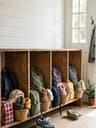
- 1.Build a Cubby Wall at Kid Height, One Cubby Per Child
- 2.Hang Color-Coded Hooks, One Color Per Child
- 3.Put a Shoe Tray by the Door and Enforce the Pair Rule
- 4.Make a Backpack Station, Not a Backpack Pile
- 5.Add a Bench With Baskets Underneath for Sitting and Stashing
- 6.Give Each Child a Grab-and-Go Bin for Hats, Gloves, and Sunscreen
- 7.Carve Out a Wet-Weather Corner for Rain Boots and Umbrellas
- 8.Keep a Grown-Up Shelf Up High for Keys, Wallets, and Sunglasses
- 9.Put Up a Family Command Board With a Paper Inbox
- 10.Use an Over-the-Door Organizer for the Small Stuff Nobody Has a Home For
- 11.Pack a Tomorrow Bin the Night Before, in the Entryway
- 12.Rotate Seasons With One Swap Bin in a Closet
- 13.Set a Landing Tray for Mail, Masks, and the Things You Carry In
- 14.Hang a Mirror at Kid Height for the Last-Look Check
- 15.Run a 5-Minute Sunday Reset and a One-In, One-Out Rule
You walk in with groceries, a toddler is asking for a snack, and the hallway already looks like a coat sale exploded. Shoes in the middle of the floor, one backpack on the stairs, another by the couch, and nobody can find the matching glove. If that sounds like your house at 5 pm, you do not have a tidiness problem. You have an entryway with no jobs assigned to it.
Good entryway organization with kids is not about a prettier hallway. It is about giving every single thing that comes through the door one obvious home, at a height the smallest person in the house can reach. When kids can put their own stuff away without help, mornings get calmer fast, and the hallway stops being the place where clutter goes to hide.
These 15 ideas work in a real front hall, a side door, or a narrow apartment entry. Start with the first three, live with them for a week, and then add the rest one at a time.
The one rule behind all 15 ideas
If a child cannot reach it, they cannot use it. Every hook, bin, and shelf in this article sits at kid height unless it is deliberately kept out of reach for adults only. Measure your shortest child with shoes on, then hang the first hook two inches below their shoulder. That one measurement decides whether the system runs itself or whether you spend every evening tidying up after it.
Build a Cubby Wall at Kid Height, One Cubby Per Child

A cubby per child is the single biggest change most families make, and it works because it ends the shared-pile problem. Give each child one open cubby, about 12 inches wide, at a height they can reach without a step stool. Inside goes their school bag stuff for tomorrow, their lunch bag, and one small basket for hats and gloves. Nothing else. Label each cubby with a photo for little kids who cannot read yet, or a name tag for older ones. When the cubby is full, something has to come out before anything new goes in. That rule alone stops the hallway from growing a second layer of coats, bags, and mystery papers by Thursday.
Hang Color-Coded Hooks, One Color Per Child

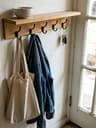
Hooks fail when every coat looks the same on the wall. Give each child their own hook color and the hallway suddenly polices itself. A red hook for one child, blue for another, green for the third, and coats stop migrating onto the wrong peg or the floor. Hang the hooks at kid height, roughly 40 to 48 inches from the floor depending on age, and use sturdy double hooks so a coat and a backpack can share one spot without sliding off. Add a small painted dot or a bit of colored tape above each hook for younger kids. It sounds almost too simple, but color is faster to read than a name when a child is rushing out the door at 7:40 in the morning.
Put a Shoe Tray by the Door and Enforce the Pair Rule

Shoes are the messiest part of any family entryway, because one pair in the middle of the floor invites four more. A low tray with a lip, placed right where shoes come off, changes the habit without a single lecture. The rule is short: shoes go on the tray, in pairs, toes pointing out. Keep the tray to one pair per person plus one spare pair for muddy days. Anything beyond that lives in a bedroom closet, not the hall. A tray with a rim catches rain and playground dirt, and you can rinse it outside in two minutes on the weekend. Families who try this usually say the hallway looks twice as big, which makes sense — most of what was covering the floor was shoes.
Make a Backpack Station, Not a Backpack Pile

Backpacks dumped by the door are heavy, they fall over, and they bury the shoes. A backpack station gives each bag a hook or a cubby of its own, right next to the door the kids actually use. Hang the bag, do not set it down — a hanging bag cannot be tripped over, and its pockets stay reachable for homework folders and water bottles. Keep a small bin beside the station for the things that fall out of bags: permission slips, library books, and that one rubber bracelet. Empty the bin every Sunday night, or it quietly becomes a second pile. When bags have a home, the 8 am search for the missing bag stops happening, because the bag was hung up the night before, in the same spot, every time.
Add a Bench With Baskets Underneath for Sitting and Stashing

Kids need somewhere to sit to put shoes on, and parents need somewhere to stash the overflow. A low bench does both jobs at once. Pick one about 18 inches high so small legs can reach the floor, with open space or baskets underneath for shoes, sports gear, and the bag that does not fit in a cubby. A basket per child works well here too, and it hides the mess better than an open shelf when visitors arrive. Put a cushion on top if the bench is hard wood, because a comfortable bench gets used and an uncomfortable one becomes a shelf for mail. This is one of those entryway organization ideas for families that earns its floor space twice over, once as seating and once as storage.
What to buy first
Start with three things only: a low shoe tray with a rim, a row of sturdy double hooks at kid height, and one basket per child. That trio fixes about 80 percent of the hallway mess for most families. Add cubbies, a bench, and a command board later, once the hook-and-tray habit is actually sticking.
Give Each Child a Grab-and-Go Bin for Hats, Gloves, and Sunscreen

Small things are what make families late. One glove, a sun hat, the sunscreen bottle that was definitely here yesterday. A small open bin per child, sitting in their cubby or on a low shelf, holds all of it in one grab. Hats on top, gloves underneath, sunscreen and lip balm tucked at the side. In winter, swap the sunscreen for a spare pair of mittens. The trick is keeping the bin small. A big bin becomes a junk drawer with a handle, and nobody can find anything in it. A small bin forces a choice: if the winter hat no longer fits, it leaves the bin that week. That little edit is the whole system, repeated all year.
Carve Out a Wet-Weather Corner for Rain Boots and Umbrellas

Rainy days punish a hallway that has no wet zone. Rain boots drip, umbrellas drip, and wet jackets drip onto everything below them. Push one corner of the entryway into wet-weather duty: a boot tray for muddy boots, a tall umbrella stand or a hook for two umbrellas, and one hook for the raincoat, kept apart from the dry coats. A cheap absorbent mat under the tray saves the floor and saves you mopping every time it rains. When the weather turns dry, the corner just holds the umbrella stand and looks perfectly normal. The point is not a fancy mudroom. It is one corner that is allowed to get wet, so the rest of the hallway stays dry.
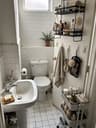
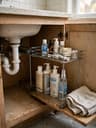
Keep a Grown-Up Shelf Up High for Keys, Wallets, and Sunglasses

Not everything in the entryway should be at kid height. Keys, wallets, sunglasses, and the dog treats belong on one high shelf that adults can reach without thinking and small hands cannot. A shelf at about 60 inches, or the top of a tall cabinet, works well. Add a small tray on it so keys land in one spot instead of sliding along the shelf, and keep a hook beside it for the dog leash. This shelf is also where the car keys live, every single time, which ends the morning pat-down of every pocket and jacket. If you share the house with teenagers, give them one small hook on the shelf edge too, so their keys join the system instead of living in a hoodie pocket.
Put Up a Family Command Board With a Paper Inbox

School papers are entryway clutter in disguise. Permission slips, art projects, and party invitations arrive in backpacks and die on the kitchen counter. A small board by the door fixes the flow: a chalkboard or whiteboard for the week's schedule, a row of pegs for the week ahead, and one inbox tray or wall file per child for papers that need a parent's signature. The rule is simple. Papers go in the inbox the day they arrive, parents check the inbox after dinner, signed papers go back in the backpack the same night. It takes two minutes a day, and it ends the 7 am panic over a form that was due today and is somewhere in the house. Probably under a shoe.
Use an Over-the-Door Organizer for the Small Stuff Nobody Has a Home For

Every family has a drawer of small entryway things with no home: spare masks, hand sanitizer, dog poop bags, a spare phone charger, plasters for scraped knees. An over-the-door pocket organizer, hung on the inside of a closet door or the entryway door itself, gives each of those things a pocket. Keep it to the things you actually grab on the way out, and leave the rest in a proper drawer. If your entryway is tight on wall space, this is the cheapest way to add storage without drilling a single hole, and our over-the-door storage ideas show the same trick working in bedrooms and bathrooms too. Label the top row for adults and the bottom row for kids, so little hands can reach their own sunscreen and plasters.
Measure twice, hang once
Kid-height hooks sit around 40 to 48 inches from the floor, a sitting bench around 18 inches high, and the grown-up shelf around 60 inches. Hang the first hook, have your child try it with their actual coat and bag, then hang the rest. A hook that is two inches too high is a hook that never gets used.
Pack a Tomorrow Bin the Night Before, in the Entryway

Mornings are hard because too many decisions happen at once. A tomorrow bin moves those decisions to the night before. Each child gets a small bin or basket in the entryway, and before bed they put tomorrow's shoes, jacket, and anything special for school inside it: sports kit, library book, show-and-tell item. In the morning, they grab the bin's contents and go. No hunting, no negotiating about which jacket, no shoe search under the couch. Parents can check the bins in thirty seconds while locking up at night, which is much calmer than checking three bedrooms at 7:30 in the morning. Entryway organization for kids works best when the night before does the heavy lifting.
Rotate Seasons With One Swap Bin in a Closet

Out-of-season coats are hallway squatters. They take hooks that current coats need, and they make the whole wall look crowded. Keep one labeled swap bin in a bedroom closet or on a high shelf, and rotate twice a year: heavy winter coats and snow boots go in when spring arrives, light jackets and rain gear come out. Do the swap with the kids, and let them try coats on before they go back on a hook. Anything too small goes straight to a donation bag, not back into the bin. This is where a bigger clear-out helps too — if the whole house feels heavy with outgrown things, our 30-day declutter challenge gives you one small job a day instead of a weekend marathon.
Set a Landing Tray for Mail, Masks, and the Things You Carry In

Adults bring clutter through the door too, and it usually lands on the first flat surface it finds. A single landing tray on a console table or a shelf by the door catches it all: today's mail, the sunglasses, the loyalty cards, the receipt you need to keep. The tray has one job, which is to be small enough that it forces a weekly sort. When the tray fills up, the mail gets filed, recycled, or actioned that evening, not next month. Keep the tray near the grown-up shelf from idea eight, so keys and mail live in the same zone and leaving the house becomes one stop instead of a tour. If the tray keeps overflowing, that is useful information: it means too much paper is coming in, not that you need a bigger tray.
Hang a Mirror at Kid Height for the Last-Look Check

A mirror in the entryway is not decoration for families. It is the last checkpoint before the door. Hang one at a height where kids can see their whole face, not just the top of their head, and mornings change in a small but real way. They check their own hair, spot the toothpaste on their shirt, and notice the hat they forgot. A shatterproof acrylic mirror is the safer pick for a hallway where backpacks swing, and a simple frame keeps it from looking like a safety afterthought. Put the mirror beside the door they leave through, at eye level for your middle child, and let the tallest and shortest kids share it. It is a two-minute fix that gives children one more thing they can do for themselves.
Run a 5-Minute Sunday Reset and a One-In, One-Out Rule

No entryway system survives a real family week without a reset, but the reset does not need to be a project. Every Sunday, set a timer for five minutes. Shoes back in pairs on the tray, coats on the right color hook, backpack bins emptied, grab bins checked for outgrown gloves. One adult and one child can do the whole hallway in that time if the homes from the earlier ideas are already in place. Pair it with a one-in, one-out rule: a new coat means an old one leaves, a new bag means an old one goes to donation. Tie the reset to something you already do on Sunday, like after dinner, and it sticks. For a whole-house version of the same habit, our Sunday reset routine walks through the rest of the house in the same calm way, and a cleaning routine checklist keeps the daily jobs visible too.
A calm entryway is not a showroom hallway. It is a hallway where a seven-year-old can hang their own coat, find their own shoes, and walk out the door without asking for help three times.
Start with the cubbies, the hooks, and the shoe tray. Add the backpack station and the tomorrow bin when those feel normal. Then let the Sunday reset do the quiet maintenance for you. The hallway will never be perfect, and with kids in the house it should not be. It just needs to work at 7:40 in the morning, when it matters most.
Entryway Organization With Kids FAQs
Expert answers & styling advice
How do I organize a small entryway with kids? ▼
Use the wall, not the floor. A row of kid-height hooks, one shoe tray, and an over-the-door organizer give a tiny entryway almost everything a big one has, without a bench or cubbies. Keep one pair of shoes per person by the door and move the rest to bedrooms. Small spaces punish extra stuff fast, so the one-in, one-out rule matters even more here.
At what height should kids' entryway hooks be? ▼
Hang hooks at 40 to 48 inches from the floor for most primary-school kids, and lower, around 36 inches, for preschoolers. The test is simple: your child should be able to hang a coat and a backpack without jumping or asking for help. If they cannot reach it comfortably with shoes on, it is decoration, not storage.
How do I stop shoes piling up by the front door? ▼
Limit the tray, not the lectures. One pair per person on the tray, plus one muddy-day spare, and everything else lives in a bedroom. A tray with a lip keeps the pairs visible and the dirt contained. When the tray is full, something moves out the same day. Families who cap the tray usually find the pile never comes back.
What is the best entryway storage for multiple kids? ▼
One labeled zone per child beats one big shared zone every time. A cubby, a hook color, and a small bin per child means nobody's things bury anyone else's, and arguments about whose coat is whose mostly disappear. Shared zones work only for things everyone uses, like the umbrella stand and the grown-up shelf.
How often should I reset a family entryway? ▼
Do a 5-minute reset every Sunday and a bigger seasonal swap twice a year. The weekly reset handles shoes, hooks, and backpack bins. The seasonal swap handles outgrown coats and boots. Skip a Sunday and nothing collapses, but skip a month and you are back to the hallway pile, so tie the reset to a habit you already have, like Sunday dinner.