Cleaning Routine Checklist: Daily, Weekly & Monthly Tasks

A simple cleaning routine checklist that splits your home into 21 daily, weekly and monthly tasks — about twenty minutes a day, and no more weekend cleaning marathons.
Table of Contents (21 Ideas)
- 1.Make the Beds
- 2.Start One Load of Laundry
- 3.Wipe the Kitchen Counters and Sink
- 4.Deal With the Dishes
- 5.Do a Two-Minute Bathroom Wipe-Down
- 6.Finish With a 10-Minute Evening Tidy
- 7.Take the Trash and Recycling Out
- 8.Sweep or Vacuum the Busy Floors
- 9.Clean the Bathroom Properly
- 10.Change the Bedding and Bath Towels
- 11.Dust Shelves, Sills and Surfaces
- 12.Clean the Microwave and Sort the Fridge
- 13.Wash Out and Reline Every Bin
- 14.Polish the Mirrors and Glass
- 15.Reset the Laundry Corner
- 16.Deep Clean the Kitchen
- 17.Deep Clean the Oven and Stovetop
- 18.Wash the Windows and Sills
- 19.Clean the Washing Machine and Its Filter
- 20.Declutter One Hotspot Drawer
- 21.Restock Supplies and Refresh the Checklist
A clean home rarely comes from one heroic Saturday of scrubbing. It comes from small jobs done on repeat, at the right rhythm. That is exactly what this cleaning routine checklist is for: it splits the whole house into a simple cleaning routine daily weekly monthly, so nothing is done too often and nothing is left long enough to become a project.
The daily eight tasks take about twenty minutes spread across the day and keep surfaces, dishes and floors at a calm baseline. The seven weekly tasks are the real cleaning — bathroom, bedding, dusting — best anchored to one or two set days. The six monthly tasks are the slow ones most of us forget: the oven, the windows, the washing machine filter. Used as a cleaning schedule checklist on your fridge or phone, it removes the daily question of what needs doing. The answer is simply: whatever today's list says. If your weeks already have a rhythm, this list pairs well with our Sunday reset routine — the reset starts the week, and this checklist keeps it clean.
How to use this checklist
Do not start all three rhythms at once. Begin with the daily eight for one week, until they feel automatic. Add the weekly seven on one chosen day, then pencil the monthly six into the first weekend of each month. Small, steady and boring beats ambitious every time.
Make the Beds

Two minutes, every morning, and it is the single fastest way to make a bedroom look cared for. Pull the duvet up, smooth it once, plump the pillows and stand them up, and fold any throw back over the foot. Do not chase hotel corners — neat and smooth is enough. Making the bed also stops it becoming a landing strip for laundry, bags and coats during the day. If you share the bed, the rule that works is last one up makes it. It sounds almost too small to count as cleaning, but a made bed changes how the whole room feels when you walk back in.
Start One Load of Laundry

One load a day keeps laundry from ever becoming a mountain. Gather what is in the basket each morning or evening, run it, and — this is the part that makes it work — fold it and put it away the same day. A load that lives in the machine or the basket for three days is how piles start. Keep a woven laundry basket in the room where clothes actually land, not where you wish they landed. On busy days, a small load still counts. The goal is a rhythm where laundry is a background task of ten minutes, never a weekend event.
Wipe the Kitchen Counters and Sink

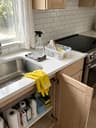
Counters collect the day as it happens: crumbs, coffee rings, splashes by the hob. Once a day — most people find after dinner easiest — clear everything off, spray, and wipe the full surface, including around the kettle and the hob edges. Rinse the sink, give it a quick scrub with the dish brush, and leave it empty and dry. An empty sink overnight is a small mercy in the morning. Keep a cloth and a refillable spray bottle under the sink so this takes three minutes, not ten. Food smells and sticky patches never get the chance to settle in.
Deal With the Dishes

No dishes should sleep in the sink. Load the dishwasher as you go through the day and run it in the evening, or wash up straight after dinner while the food is still soft and easy. In the morning, empty the dishwasher or the drying rack first thing — an empty rack is what makes the load-as-you-go habit possible later. Hand-wash the big pan now rather than leaving it to soak into an excuse. It is five unglamorous minutes, twice a day, and it is the difference between a kitchen that feels under control and one that greets you with yesterday.
Do a Two-Minute Bathroom Wipe-Down

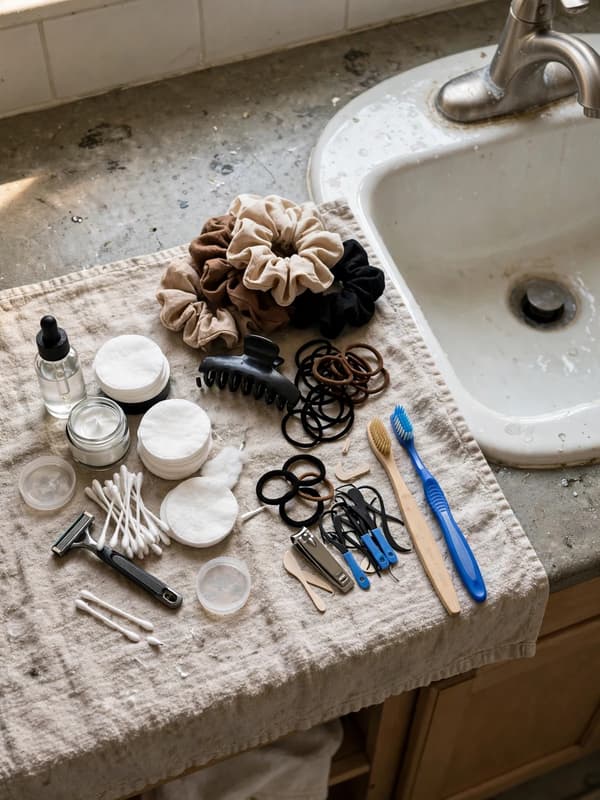
The daily bathroom job is a wipe, not a clean. Keep a cloth and spray under the sink, and while you are in there anyway, swipe the sink and taps, the counter edges and the toilet seat and handle. Two minutes, tops. This one habit is why the weekly bathroom clean stays a twenty-minute job instead of an hour of scrubbing dried toothpaste and water spots. Finish by hanging the hand towel straight and shaking the bath mat out if it needs it. Guests arriving unannounced stop being a source of panic when the bathroom never gets more than a day behind.
Finish With a 10-Minute Evening Tidy

End the day by returning the house to neutral. Set a timer for ten minutes, take a basket, and walk every room: mugs to the kitchen, post to one spot, toys, chargers, jumpers and books back to their homes. Plump the sofa cushions, fold the throw, and clear the dining table completely — flat surfaces are where clutter breeds. When the timer ends, stop, even if a corner is not perfect. Waking up to a tidy room is a genuinely different start to the day, and ten minutes is a fair trade for it. Most nights it takes less.
Take the Trash and Recycling Out

Kitchen bins fill faster than we think, and yesterday's food packaging is where smells begin. Check the kitchen bin each evening: if it is full or holds anything that will ripen, tie the bag and take it out now, not in the morning. Flatten cardboard as it arrives and keep recycling in one box or bag by the door so the trip out takes everything at once. Put a fresh liner in straight away — a bin without a liner is a bin nobody wants to use properly. Thirty seconds of prevention keeps the kitchen smelling like a kitchen.




Three helpers worth keeping close
A microfiber cloth set — one colour per room, so bathroom cloths never wander to the kitchen. A refillable spray bottle kept where you clean most. And a cordless stick vacuum parked somewhere visible, because the vacuum you can grab in five seconds is the one that gets used.
Sweep or Vacuum the Busy Floors

You do not need to do every floor every day — just the traffic lanes. The kitchen, the hallway and the patch in front of the sofa collect most of the crumbs, grit and hair. A five-minute pass with a cordless stick vacuum, or a broom for hard floors, keeps grit from being walked through the whole house and ground into everything. Shake the doormat outside while you are at it; it holds more dirt than the rest of the hallway combined. Daily attention here is exactly why the weekly floor clean can stay quick.
Clean the Bathroom Properly

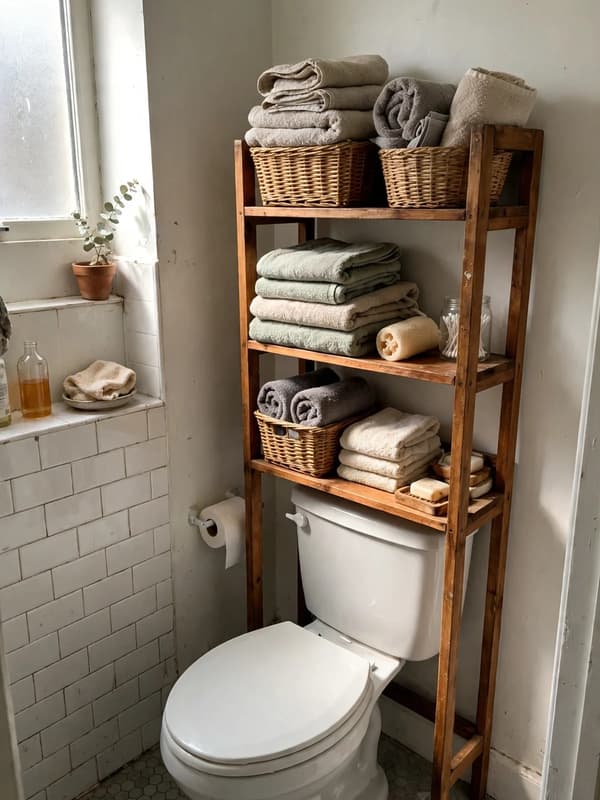
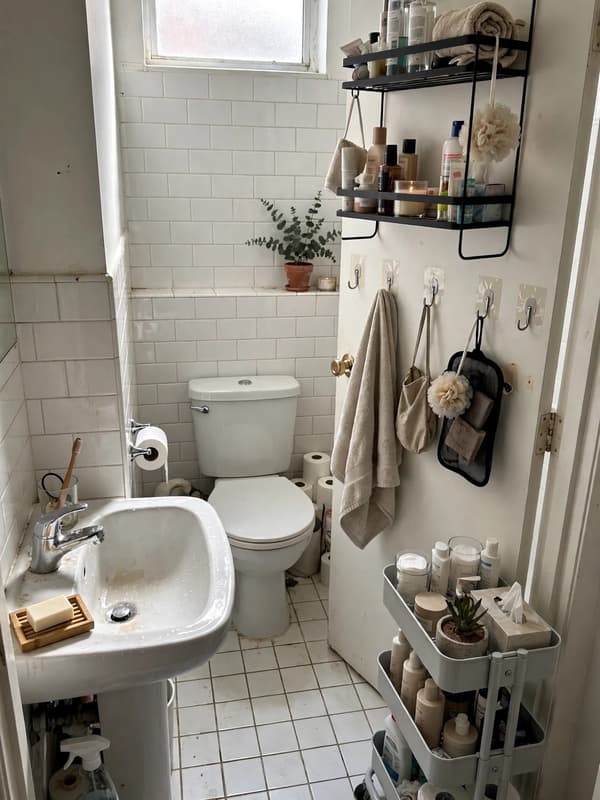
Once a week, the bathroom gets the real clean the daily wipe has been postponing. Spray the shower or bath and the toilet bowl first and let the cleaner sit while you do the sink, taps and counter properly. Scrub the bowl, wipe the toilet outside and base, clean the mirror, then rinse and wipe the shower glass or tiles. Swap in fresh towels, empty the bin, and sweep or mop the floor last, working your way out of the door. Twenty minutes in most bathrooms. Done weekly, nothing in here ever needs the heavy-duty treatment.
Change the Bedding and Bath Towels

Once a week, strip the beds completely — sheets, pillowcases, duvet cover — and put a fresh set on straight away so bedtime never meets a bare mattress. Wash bedding hot enough to feel properly clean, and rotate two sets per bed if you can, so making the bed again is a five-minute job, not a laundry deadline. Do bath and hand towels on the same day; a week is as long as a towel wants to work. Fresh bedding is the most noticeable clean in the house for the least scrubbing — the room smells different the moment you finish.
Dust Shelves, Sills and Surfaces

Dust settles quietly and then suddenly everything looks dull. Once a week, work top to bottom — high shelves first, then side tables, windowsills, the TV stand and skirting boards in the rooms you use most. A slightly damp microfiber cloth picks dust up instead of pushing it into the air; a feather duster is fine for high, light dust between deeper passes. Move the few things on each surface rather than dusting around them. Ten to fifteen minutes for the main rooms. Done weekly, dust never builds into that grey film that makes a clean room look tired.
Clean the Microwave and Sort the Fridge

Two small kitchen jobs that share a day. For the microwave: heat a bowl of water with a slice of lemon for three minutes, let the steam loosen everything, then wipe the inside, the door and the plate — five minutes, no scrubbing. For the fridge: take out anything past its best, wipe the shelf it sat on, and move what needs eating first to the front at eye level. Check the door seals while you are there. Neither job is weekly-deep; both stop the slow build-up that turns into smells and mystery containers.
Wash Out and Reline Every Bin

Bins get emptied daily, but the bins themselves need washing weekly or they become the smell you cannot locate. Line them all up — kitchen, bathroom, bedrooms — empty any stragglers, wipe or rinse each one inside and out, let them dry, and put fresh liners in every single one. A quick spray of disinfectant in the kitchen bin before the new liner goes in keeps it honest. This is a ten-minute job that most checklists forget entirely, and it is the one guests' noses will thank you for. Do it on bin-collection day and it slots in naturally.
Polish the Mirrors and Glass

Mirrors and glass tell on a house faster than floors do — toothpaste spots, fingerprints at handle height, a general haze. Once a week, go around with a glass cloth and a light mist of spray: bathroom mirror, hallway mirror, any glass doors or picture frames that catch the light. Work in small circles and buff dry rather than leaving spray to streak. A microfiber glass cloth kept only for this job makes it faster each week. Two or three minutes per mirror, and rooms genuinely look brighter — clean glass lets the light do the decorating.
Monthly tasks need a date, not a mood
Monthly jobs quietly become quarterly, then yearly. Give them a fixed slot — the first Saturday, the last Sunday, payday weekend — and treat it as an appointment. Six tasks, roughly ninety minutes, once a month: that is the whole deal.
Reset the Laundry Corner

End the laundry week by resetting the space itself. Fold and put away anything still in baskets, sort the waiting pile into proper loads for the week ahead, and check detergent and basics so Monday does not start with an empty bottle. Wipe the machine tops and the shelf above them — laundry areas gather a fine grey dust of their own. If you iron, do the small pile now or hang shirts straight from the wash to skip it. Fifteen minutes, and the corner goes back to being a workspace instead of a storage problem.
Deep Clean the Kitchen

Once a month, the kitchen gets more than a wipe. Empty the fridge fully, wash the shelves and drawers, and check dates on everything going back in. Degrease the hob surround, the splashback and the outside of cupboards where hands land, clean the sink properly including around the taps, and wipe the fronts of the appliances. It pairs naturally with our deep cleaning checklists if you want the room-by-room version. Ninety minutes once a month sounds like a lot — until you realise it replaces the slow, sticky build-up that daily wipes cannot quite reach.
Deep Clean the Oven and Stovetop

The oven is the job everyone postpones until it smokes. Monthly is often enough if you wipe spills as they happen. Lift the stovetop grates and soak them in hot soapy water, make a paste of baking soda and water for the hob and the oven interior, spread it on, and leave it while you have a cup of tea. Wipe it out, scrub the glass door, rinse the racks and put the grates back. No harsh fumes, no self-clean cycle drama. An oven cleaned monthly never reaches the point of needing a specialist — or a new one.
Wash the Windows and Sills

Windows are a monthly job because weather, not effort, decides how long they stay clean. Pick a cloudy day — direct sun dries spray into streaks. Work one room at a time: wipe the sill first (it holds more dust than you expect), spray the pane, wipe in an S-pattern, and buff the edges dry. Inside glass monthly is plenty for most homes; outside can stretch to every second month. Open each window fully while you are there and wipe the track too. The light difference afterwards is the most satisfying result on this whole list.
Clean the Washing Machine and Its Filter

The machine that cleans everything needs cleaning itself, monthly. Wipe the door seal and its folds — that is where the grey gunk and the musty smell live. Pull the detergent drawer out and rinse it. Then the filter: put a towel and a shallow tray underneath, open the flap at the bottom, unscrew it slowly, and clear out the coins, hair and lint. Finish with the hottest empty cycle your machine offers. Ten minutes of this prevents the two classic laundry problems: smells that transfer to clothes, and a machine that stops draining mid-load.
Declutter One Hotspot Drawer

Every home has one drawer where things go to be forgotten — cables, batteries, menus, keys to nothing. Once a month, pick just one. Empty it completely onto a table, wipe the drawer out, then sort honestly into keep, relocate, recycle and bin. Most hotspot drawers are half rubbish by volume. Put back only what belongs there, in a drawer divider tray if it helps, and deal with the relocate pile the same day. One drawer a month is twelve drawers a year. Our decluttering checklists will help if the drawer has friends.
Restock Supplies and Refresh the Checklist

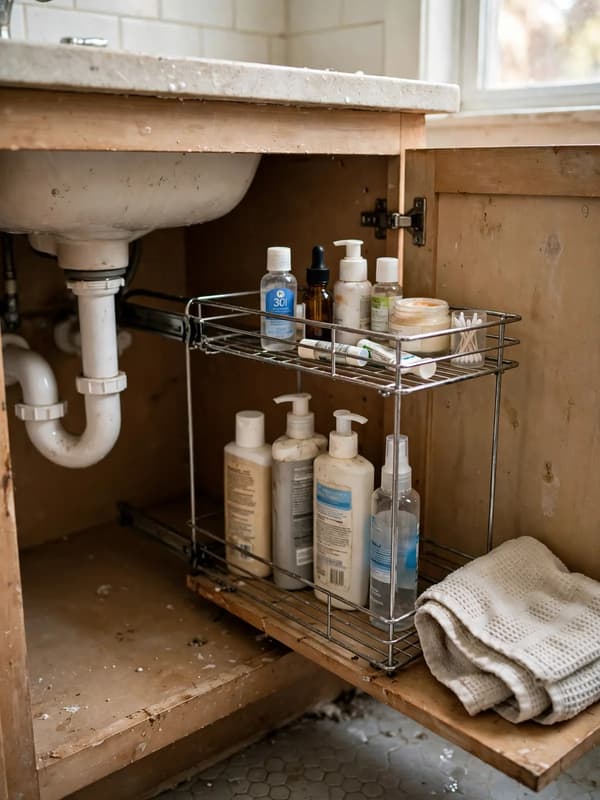
Close the month by making next month easier. Walk the house with your checklist and check the supplies each task depends on: sponges, cloths, bin liners, toilet paper, dish soap, detergent, baking soda. Restock the under-sink cupboard and bathroom from your spares, and write the shopping list for anything genuinely low — while you are looking at it, not from memory later. Then glance over the checklist itself: did every task earn its place? Adjust timings to your real life. A cleaning caddy restocked and ready means no task next month starts with a hunt for supplies.
None of these twenty-one tasks is hard. The whole system works because each one is small, and because it happens before the mess becomes the kind that needs a free Saturday and a strong mood.
Give the daily eight two honest weeks and they will stop feeling like a list at all — just how the house runs. Add the weekly and monthly rhythms slowly, and let the routine bend on the weeks when life is loud. If your home needs a bigger reset first, our 30-day declutter challenge is the place to start; this routine is how you keep the result.
Cleaning Routine Checklist FAQs
Expert answers & styling advice
How long does this cleaning routine take each day? ▼
About twenty to thirty minutes in total, spread across the day rather than in one block. Beds and laundry take five minutes in the morning; counters, dishes and the evening tidy take the rest. The point of a cleaning routine daily weekly monthly split is that no single day carries the whole house.
What is the best day for the weekly tasks? ▼
Whichever day you will actually repeat. Many people anchor the bathroom, bedding and floors to one morning — our Sunday reset routine is built exactly that way — and scatter the rest across two evenings. A cleaning schedule checklist only works if it fits your real week, not an ideal one.
Can I use this checklist in a small apartment? ▼
Yes — it gets faster, not harder. Floors and dusting shrink, the bathroom is one room, and the monthly kitchen and oven jobs stay the same size. Skip any task your home does not have, and the daily eight often fits into fifteen minutes. Small homes reward this routine quickly because every task visibly finishes.
What if I fall behind a week? ▼
Do not try to catch up everything at once. Restart with the daily eight today, do the weekly seven across the next few days in any order, and let the monthly tasks wait for their next slot. The routine is a rhythm, not a streak — missing a week changes nothing about whether it works long term.
Do I need special products for this routine? ▼
No. Almost everything here runs on an all-purpose spray, a microfiber cloth set, dish soap and baking soda for the oven. Add a glass cloth for mirrors and windows and you are fully equipped. The checklist is deliberately built around supplies most homes already own, stored where each task happens.