15 Decluttering Checklists for Every Room

Fifteen short, room-by-room checklists that turn 'declutter the whole house' into one finishable list at a time — kitchen to car, most rooms done in 20 to 45 minutes.
Table of Contents (15 Ideas)
- 1.The Kitchen Checklist
- 2.The Bedroom Checklist
- 3.The Bathroom Checklist
- 4.The Closet Checklist
- 5.The Entryway Checklist
- 6.The Living Room Checklist
- 7.The Kids' Room Checklist
- 8.The Home Office Checklist
- 9.The Garage Checklist
- 10.The Pantry Checklist
- 11.The Laundry Room Checklist
- 12.The Junk Drawer Checklist
- 13.The Digital Declutter Checklist
- 14.The Car Checklist
- 15.The Pre-Move Checklist
Some rooms need a full weekend. Most just need a short list and a starting point. That's what this page is: a declutter checklist for every room in your home, broken into fifteen small, specific lists you can work through one at a time, in any order that suits your week.
Each checklist below is short on purpose: the exact spots to hit, in the order that makes the job feel easy. Copy the list for the room you're tackling into a notebook, tick things off as you go, and stop when the list is done.
Work one room a day and you've got a simple declutter calendar for the next two weeks. Prefer to go by type instead of by room? The same lists double as declutter categories — surfaces first, then storage, then the hidden spots. For a gentler daily pace, our 30-day declutter challenge spreads the same kind of tasks across a whole month.
Before you start any room
Set up the same three stations every time and every checklist on this page gets faster: a bag for donations, a bag for trash, and one box for things that belong in another room. A single set of clear storage bins handles the keepers you sort along the way. When a donation bag fills up, it goes in the car the same day. All of these lists are free to copy into a notebook or notes app — no special supplies needed to start.
The Kitchen Checklist

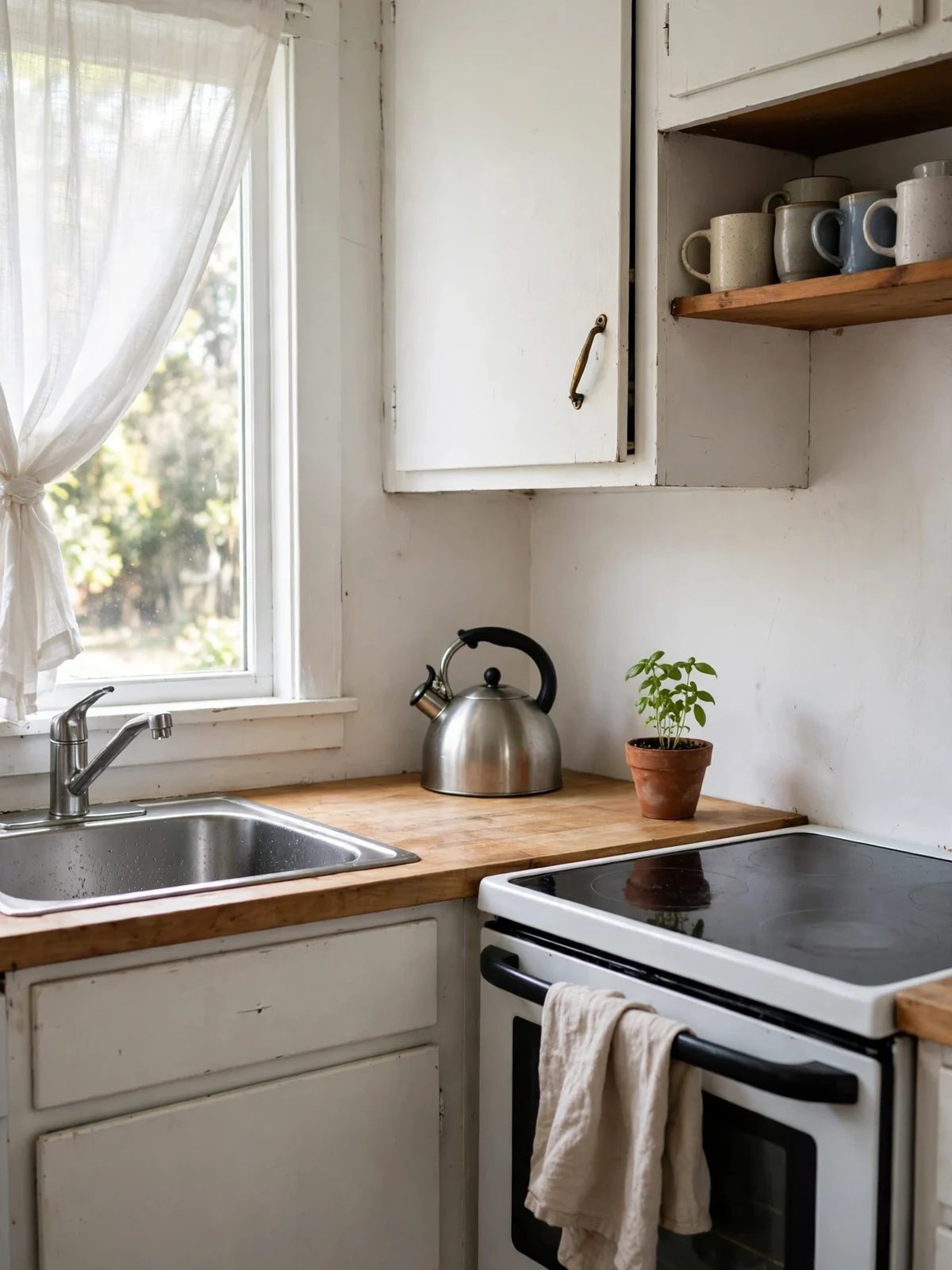
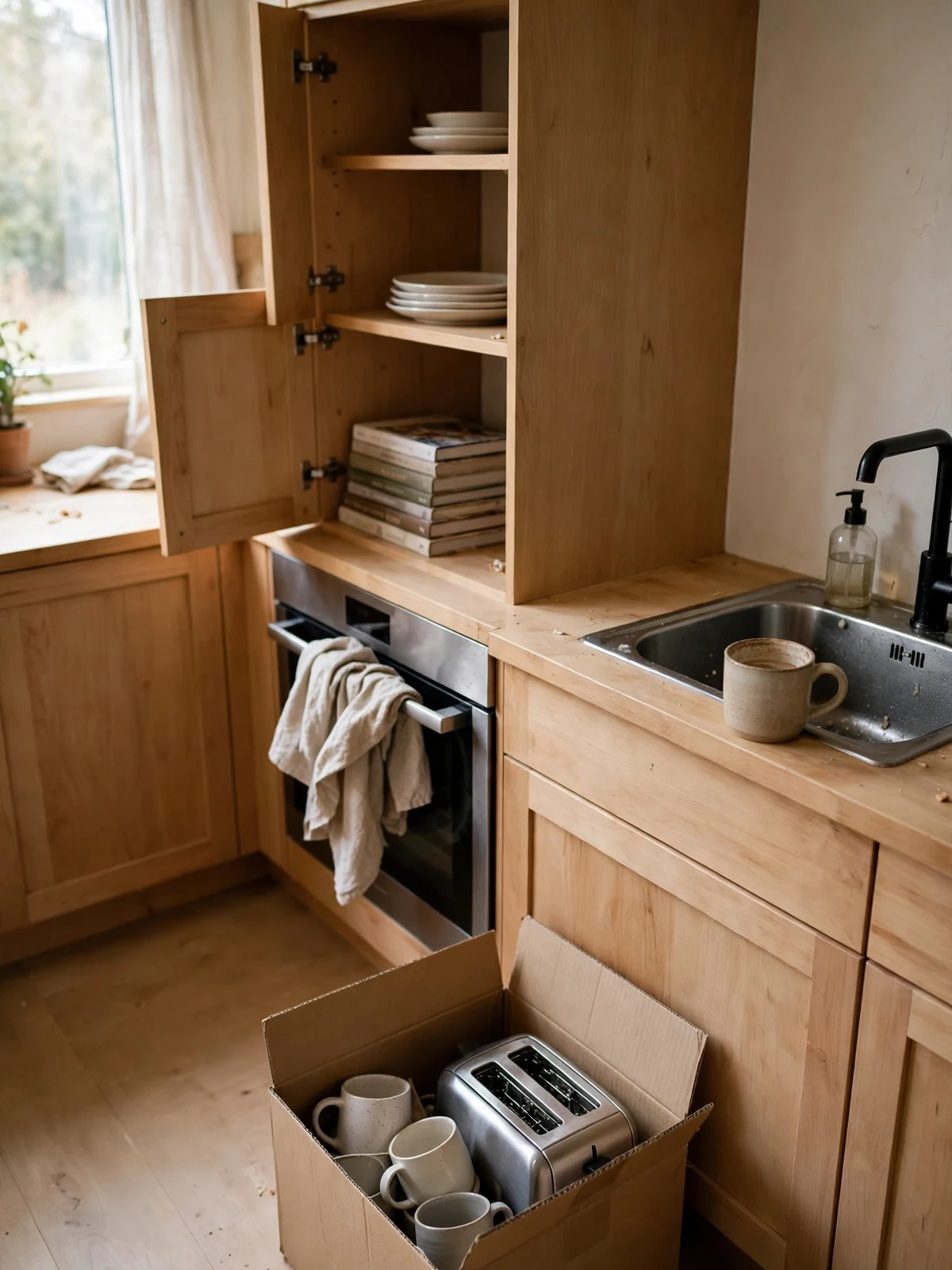
The kitchen collects clutter in layers, so work top to bottom and the mess never spreads. Set a timer for 30 minutes and start with what you can see.
Counters: clear everything off, wipe down, and only put back what you use daily — kettle, coffee maker, knife block.
Cabinets: pull out chipped mugs, lidless containers and the third colander; match every pot to its lid.
Fridge: toss expired and fuzzy items, wipe the shelves, and move leftovers to eye level.
Drawers: test every utensil honestly — two spatulas is plenty, five is a storage problem.
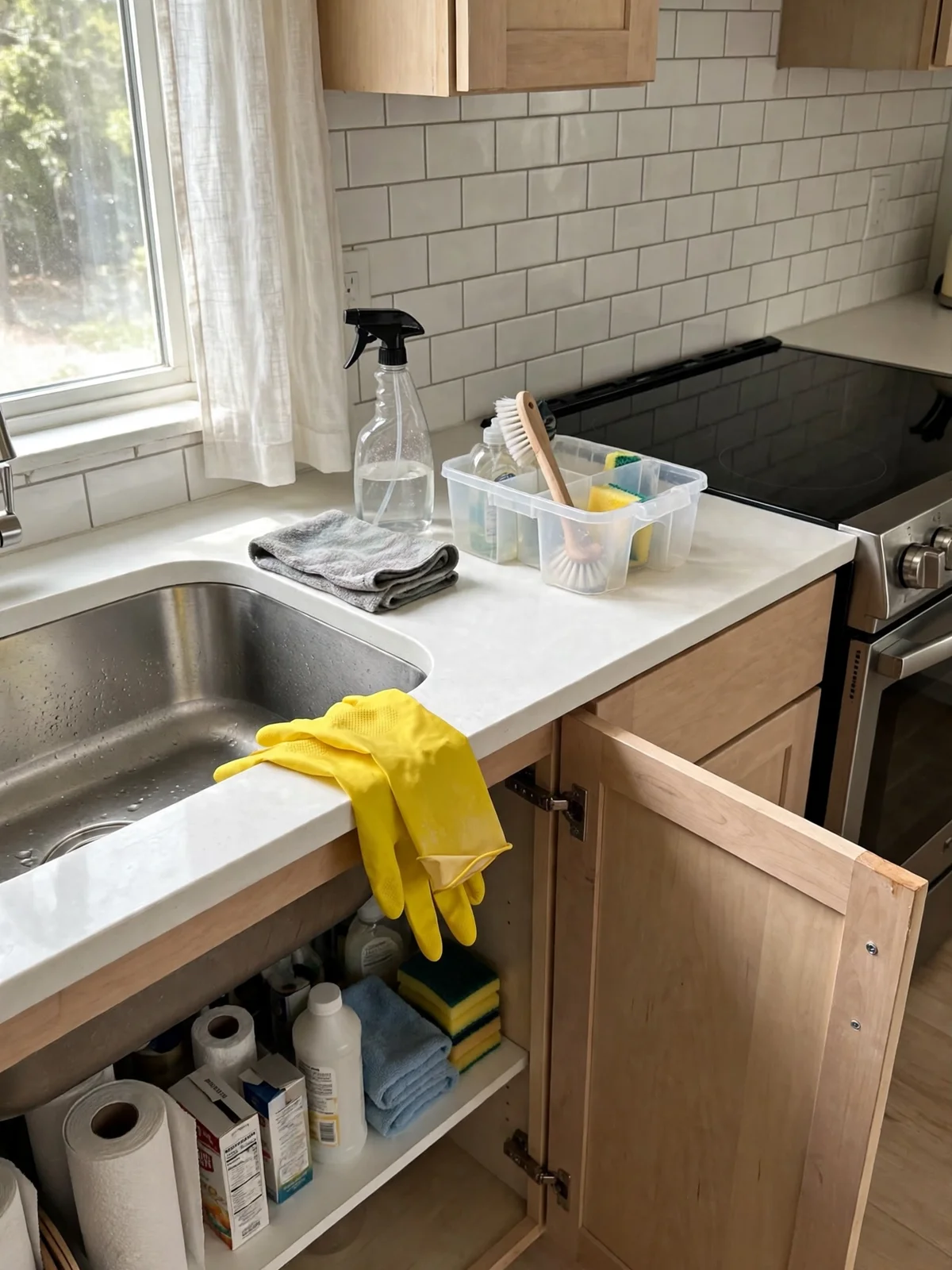
Under the sink: combine duplicate cleaning bottles and corral what's left in one caddy.
The Bedroom Checklist

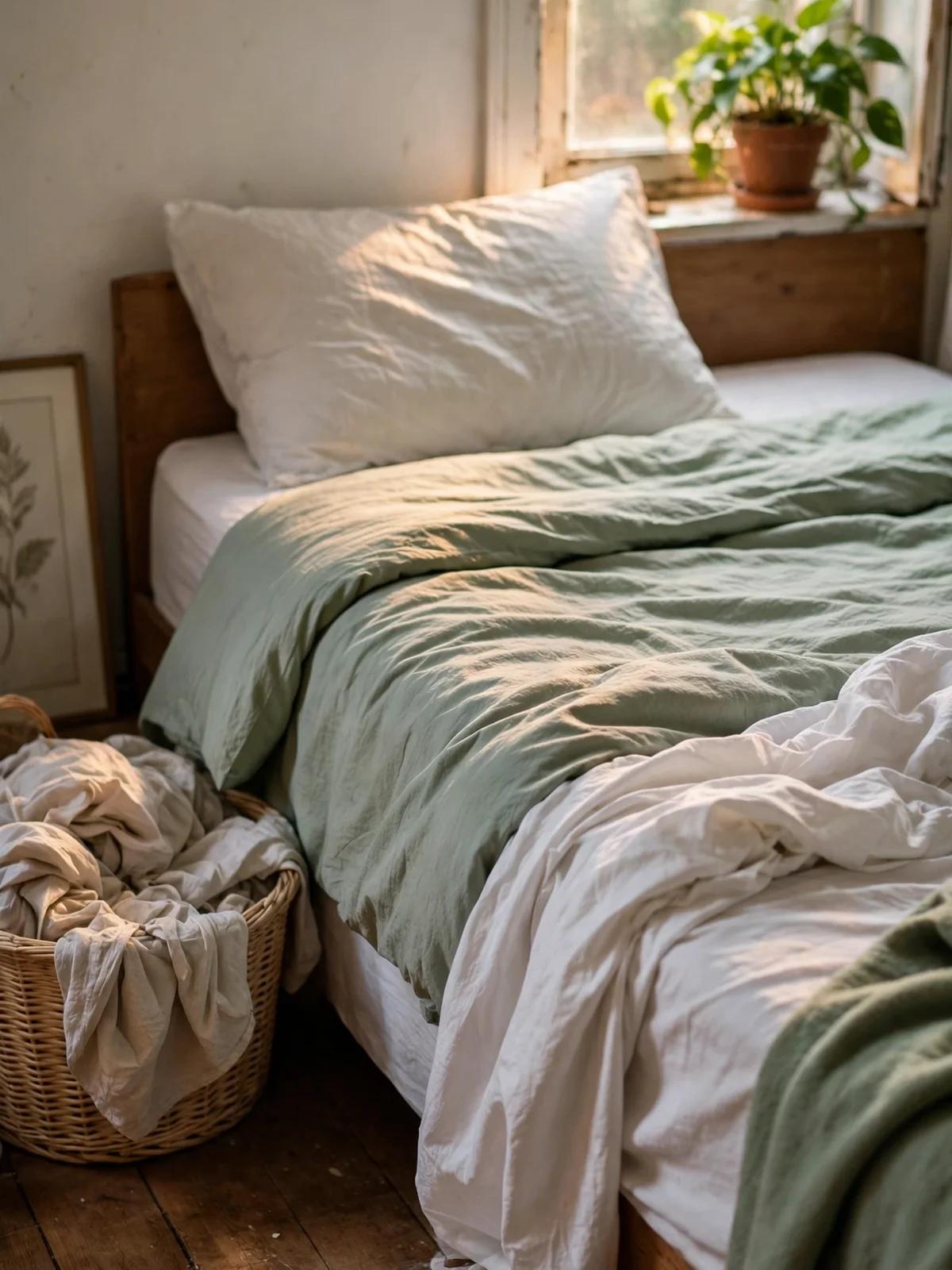
Your bedroom should be the calmest room in the house, and it usually isn't — it's where laundry goes to wait. Start with the floor and work up.
Floor and chair: clear the clothes chair completely; every item gets hung, washed or donated today.
Nightstands: keep the current book, your charger, water and one or two true essentials — nothing else.
Dresser top: remove everything, dust, and return only the few things you use every morning.
Under the bed: pull it all out; only flat, genuinely useful storage earns its place back.
Bedding: wash or swap the set, and check for a spare set that's seen better days.
The Bathroom Checklist

Bathrooms are small, which makes this the most satisfying 20 minutes on the whole list. Empty each zone fully before you sort it — half-measures just move the clutter around.
Counter: everything off, surface wiped; only daily products earn a spot back.
Medicine cabinet: check every date; expired medicine goes to a pharmacy take-back, not the bin.
Shower and tub edge: toss empty bottles and the products you tried once and hated.
Under the sink: combine duplicates, ditch crusty bottles, keep cleaning supplies in one small caddy.
Towels: keep two good sets per person; threadbare ones become rags or go.
The Closet Checklist

Closets lie to you — everything looks tidy until you try to find a specific shirt. Work in categories, not handfuls, and keep a donation bag open beside you the whole time.
Tops and shirts: hold each one; if you wouldn't choose it in a shop today, it goes.
Trousers and dresses: same test, plus fit — clothes for a former size are just daily guilt.
Shoes: line up every pair; worn-out soles and pinching heels leave today.
Shelves: refold jumpers into short stacks you can see at a glance.
Hangers: ditch the wire and broken ones.
If your closet is genuinely tiny, our small closet organization ideas show how to squeeze more from the same space.
The Entryway Checklist

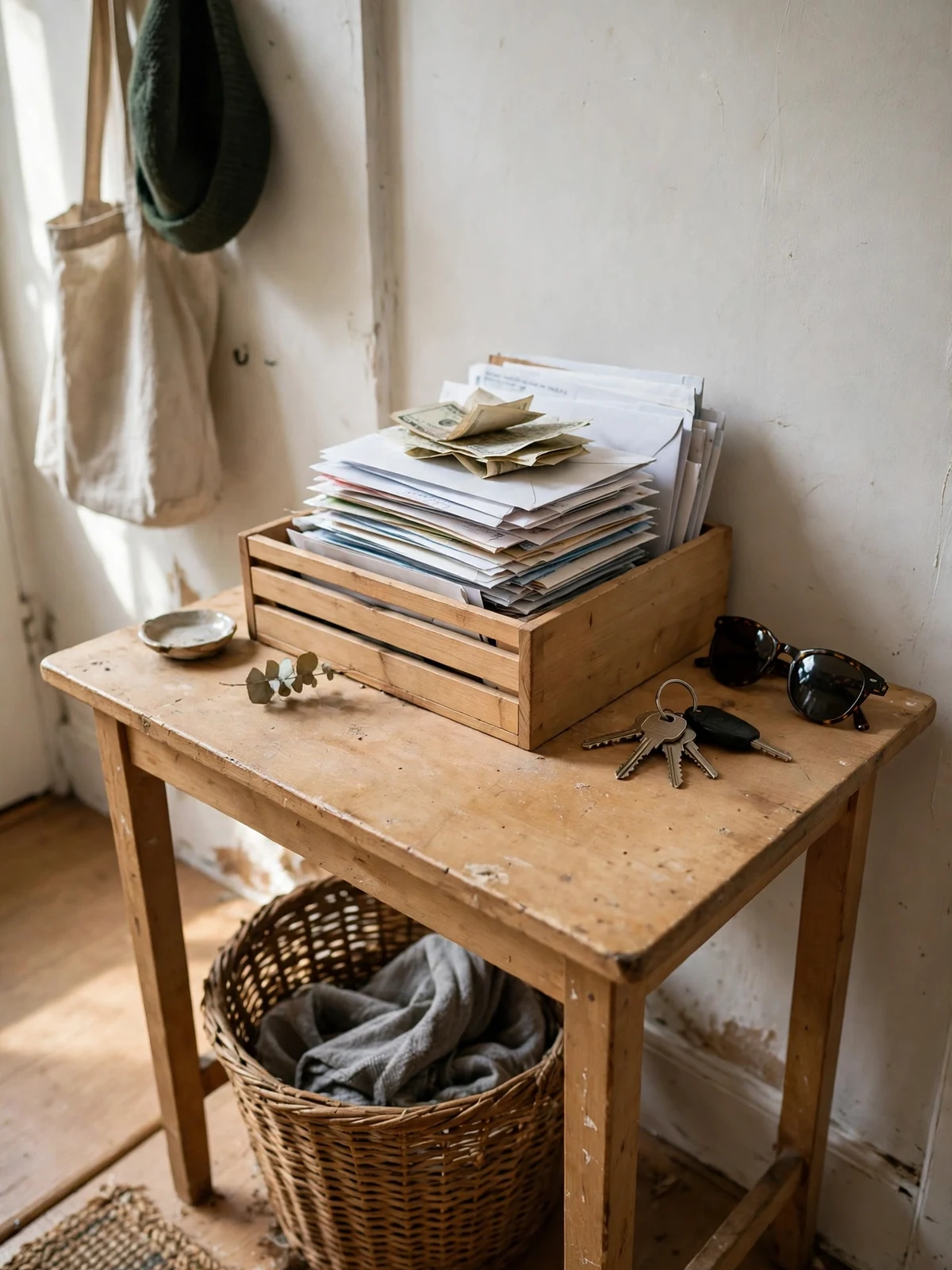
The entryway sets the tone for the whole house — and it's the first place clutter moves in. Reset it back to bare, then rebuild it for the life you actually live.
Shoes: only this week's pairs stay; everything else moves to a closet or the donation bag.
Coats and bags: one hook each for the things you genuinely rotate; off-season coats move out.
Mail and paper: recycle the junk on sight and set one small tray as the only legal landing spot.
Keys and small stuff: one tray or hook, always the same place, no exceptions.
Floor: sweep it and shake out the mat — entryways collect grit like nowhere else.
Turn this page into a two-week plan
Don't try all fifteen lists in a weekend. Pick the room that annoys you most first — that win carries you — then do one a day. Lots of readers treat this page like a declutter challenge printable: they copy the fifteen headings into a notebook, write the dates beside them, and tick off a room a day like a declutter calendar. Miss a day and nothing breaks; just carry on with the next room.
The Living Room Checklist

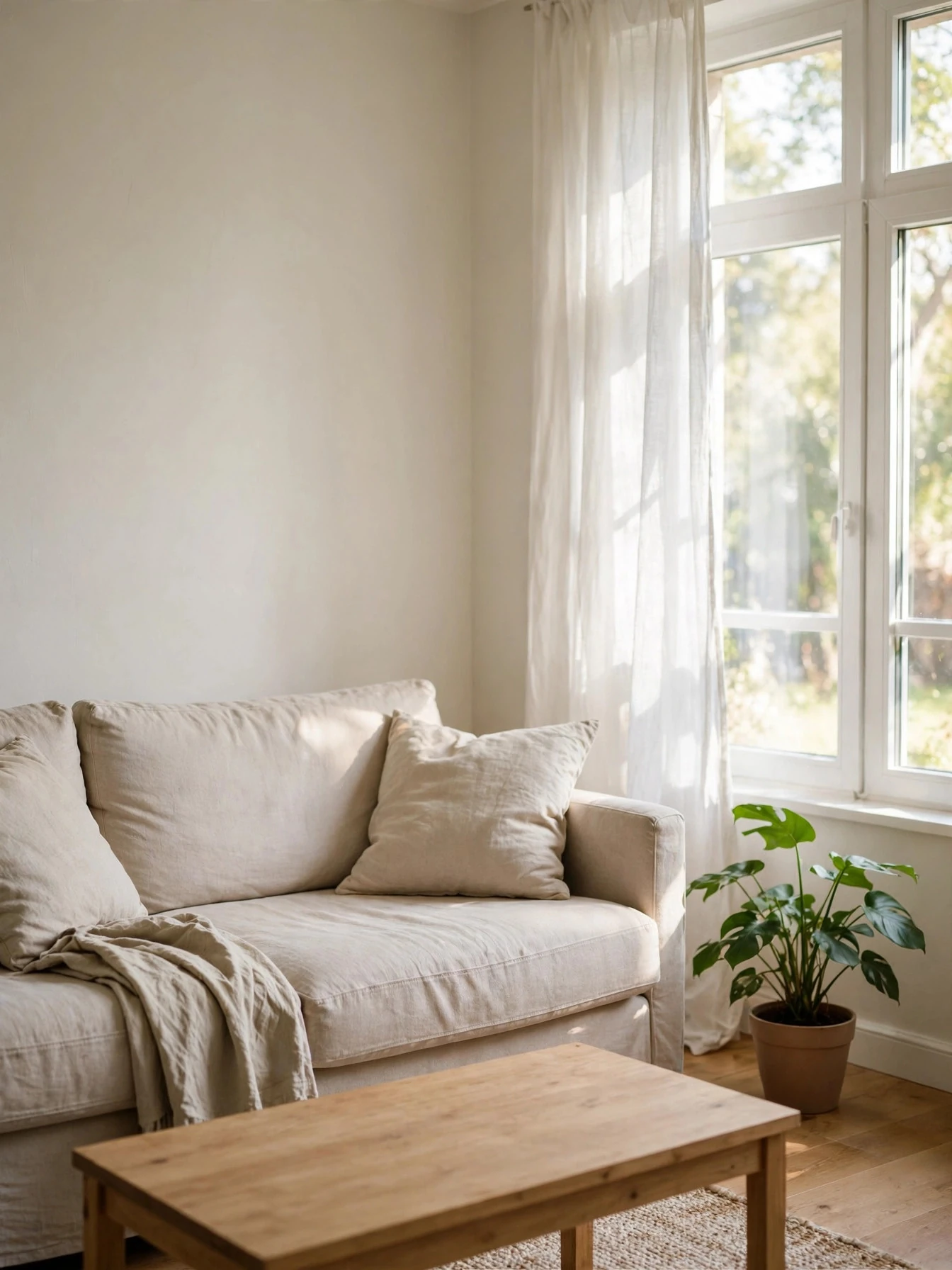
Living rooms don't get cluttered by stuff so much as by drift — things land here because they belong nowhere. Give everything a verdict and a home.
Surfaces: clear the coffee table and side tables; keep a book, a coaster, maybe a candle.
Sofa: shake out cushions, fold one throw, and rescue what's fallen down the sides.
Bookshelves: keep books you'd reread or lend; the rest go to new readers.
Remotes and chargers: gather them into one small basket so they stop migrating.
Kids' and pets' overflow: one basket each, and when it's full, something rotates out.
The Kids' Room Checklist

Kids' rooms need systems a five-year-old can keep, which means fewer categories and bigger targets. Do a first pass alone, then bring your child in for the rest — they're often more ruthless than you'd expect.
Toys: broken toys and missing-piece puzzles out; favourites fit in one or two bins, not five.
Books: keep the loved ones in one crate at kid height; pass on the outgrown board books.
Clothes: anything outgrown goes straight into a bag for handing down or donating.
Artwork: display the current favourite, photograph the rest, keep a small folder of originals.
Floor: end with a completely clear floor — that's the daily standard that makes tidy-ups take two minutes.
Label bins with pictures for little kids — if they can see where it goes, they'll mostly put it there.
The Home Office Checklist

A cluttered desk makes starting work feel twice as hard, so clear it to bare wood first. Everything off, no exceptions — then only rebuild what earns its place.
Desktop: laptop, lamp, one notebook, one pen pot. That's the whole list for most of us.
Paper: sort into act, file, recycle; the recycle pile should be the biggest one.
Drawers: junk-drawer rules apply — dead pens, mystery cables and old chargers out.
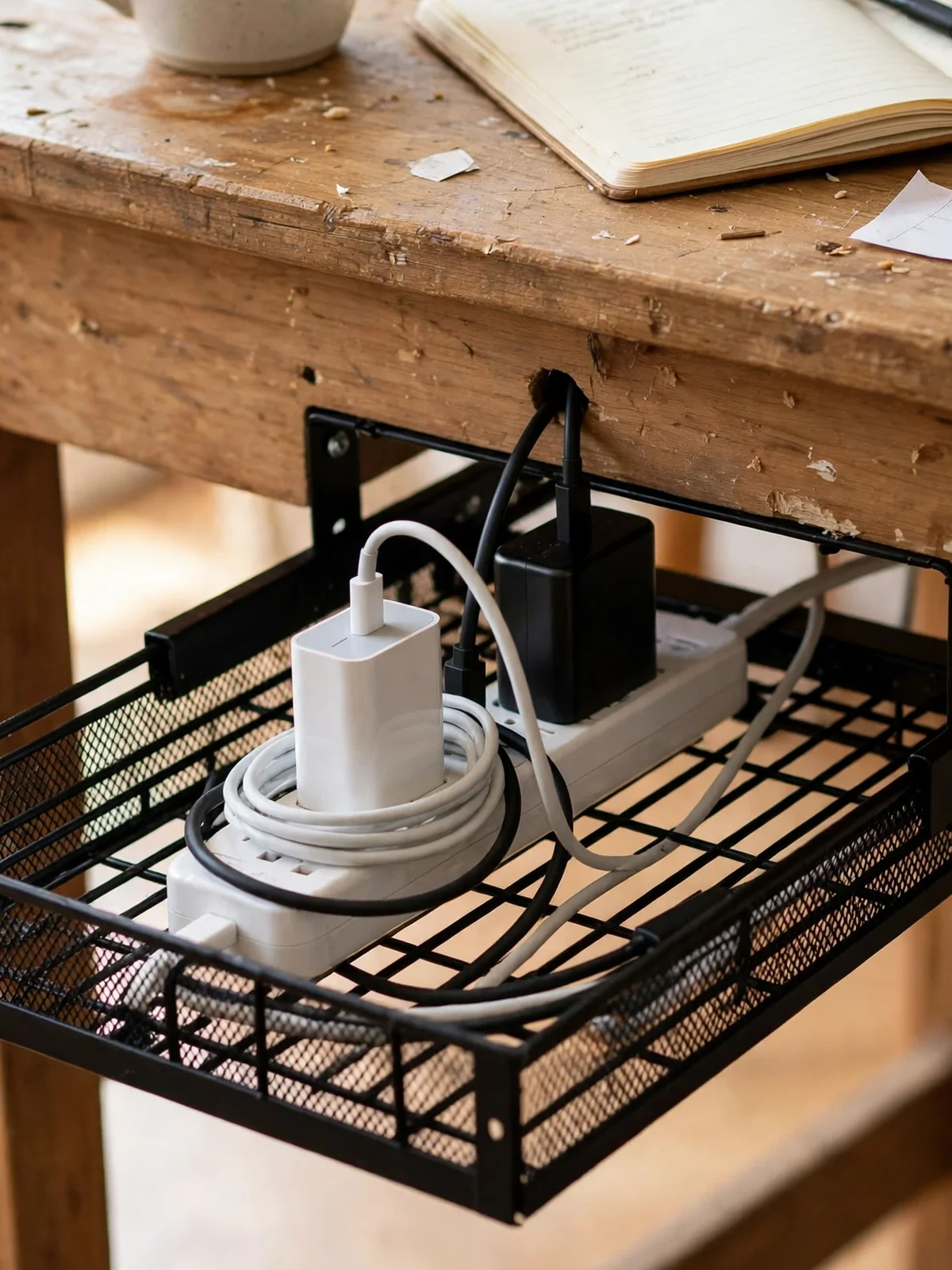
Cables: untangle, bundle the keepers with a tie, and let the duplicates go.
Shelf and files: archive last year's paperwork into one box and shred what you no longer need.
The Garage Checklist

Garages become the house's overflow valve, so work in laps with the door open and a skip mentality. If the car doesn't fit, the garage isn't a garage — it's expensive storage.
Floor first: sweep a clear path down the middle; anything broken beyond repair leaves today.
Categories: group tools, garden, sports and seasonal into zones along the walls.
Bins: consolidate half-empty boxes into fewer, fuller ones — sturdy clear storage bins pay for themselves here, because you can see inside without opening lids.
Chemicals and paint: check labels and dates; dried-out paint and mystery cans go to hazardous waste.
Workbench: clear it fully, keep the weekly tools, hang the rest.
Park the car inside when you finish — that's the trophy for this checklist.
The Pantry Checklist

Pantries hide expired food better than any other space in the house. Go shelf by shelf so it never becomes a bomb site, and keep a food-bank box handy for the good extras.
Dates: check everything; stale crackers, ancient spices and mystery sauces go first.
Duplicates: three open bags of the same rice become one container and a meal plan.
Grouping: baking together, snacks together, tins in one row, labels facing out.
Decanting: half-empty packets of pasta and grains behave better in jars you can actually see into.
Floor: lift the bags and boxes stored below, sweep, and only return what belongs in a pantry.
A small pantry needs tighter rules — our small pantry organization ideas go deeper on making a tiny one work.
The Laundry Room Checklist

Laundry spaces collect single socks, empty bottles and everything with nowhere else to go. This one is quick — 20 minutes and the most annoying room in the house feels civilised again.
Surfaces: clear the top of the machine; it is not a shelf, whatever your family believes.
Products: toss the empties and the stain removers that never worked; keep detergent and one backup.
The sock situation: match the orphans or let them go. Closure matters more than thrift here.
Lint and filters: clear the trap and wipe the seals — the machine works better and smells better.
Overflow: evict anything that isn't laundry; this room has one job.
Keep one small basket for found items — pocket treasures, hair ties, coins — and empty it weekly.
The small tools that keep it tidy
Three things earn their keep once a room is cleared: drawer dividers in kitchen and junk drawers, so small things stop migrating; clear storage bins in the garage, pantry and under beds, so you can see what you own; and a simple label maker for those bins and shelves, because a labelled home is one the whole household can maintain. Buy them after your first pass — never before.
The Junk Drawer Checklist

Every home has one drawer that defies physics. This is the fastest checklist on the page — ten minutes, start to finish — and it delivers an outsized sense of control.
Empty it fully: tip the whole drawer out onto the counter. No sorting in place.
Trash sweep: dead pens, dried glue, rubber bands from another decade, receipts for things you no longer own.
Mystery items: keys to unknown locks and chargers for dead phones get one week in a labelled bag, then they go.
Group what's left: batteries, tape, scissors, a small tool or two, spare bulbs.
Give it sections: simple drawer dividers turn the drawer from soup into a system — each group gets its own lane, and things stop migrating.
The rule going forward: if it doesn't have a section, it doesn't live in this drawer.
The Digital Declutter Checklist

Clutter you can't see still weighs on you — ask anyone with 14,000 photos and an inbox in the thousands. Set a timer and work in batches, one device at a time.
Phone photos: delete used screenshots, duplicate bursts and blurry shots; empty the deleted folder or it doesn't count.
Apps: remove anything you haven't opened in three months — you can always reinstall it.
Inbox: unsubscribe from five senders you never open, then delete promotions in bulk by sender.
Downloads folder: the digital junk drawer — sort it, keep the handful of files that matter, bin the rest.
Desktop and home screen: only the apps and files you touch weekly stay visible.
Back up the true keepers when you're done — your camera roll should feel like memories, not storage fees.
The Car Checklist

The car is a small room that happens to move, and it collects clutter at room speed. Take a bag for trash and a box for house-bound things, and give it 15 minutes.
Trash sweep: wrappers, bottles, receipts and the fossilised fries under the seats — all out, no judging.
Glovebox: manual, documents, one charging cable, tissues. Anything else needs a very good reason.
Boot: keep the emergency kit, reusable bags and one organiser; the rest was never car stuff.
Back seats: return coats, toys and library books to the house today, not 'next trip'.
Console and doors: coins, cables and lip balm get one home each.
Finish with a quick vacuum of the footwells.
The Pre-Move Checklist

Moving is the one declutter everyone eventually faces, and doing it before you pack is vastly cheaper than paying to move things you'll throw away in the new place. Work room by room with three boxes: donate, sell, recycle.
Start eight weeks out: one room or category a day, using the checklists above as your route.
Furniture honesty: measure the new place; pieces that won't fit get sold or donated now, not stored 'temporarily'.
Paper and archives: shred the years of statements you can access online; keep one slim file of true originals.
The expensive test: if an item costs more to move than to replace, it doesn't come.
One essentials box: kettle, chargers, basic tools, toiletries and a change of clothes — last on the truck, first opened.
You don't need a free weekend or a sudden burst of motivation to get a calmer home. You need one short list and one room at a time. Start with the room that bothers you most, copy its checklist into a notebook, and work it until the last box is ticked — that feeling tomorrow morning is what carries you to the next room. Protect your progress with small habits: put things back in the home you gave them, keep a donation bag in a closet, and redo one checklist a month on rotation. If clutter hides in odd corners these rooms don't cover, our hidden storage ideas handle the awkward spaces too. Fifteen rooms, fifteen short lists — a lighter home by the end of the fortnight.
Decluttering Checklist FAQs
Expert answers & styling advice
Which room should I start with? ▼
Start with the room that annoys you most often — for most people that's the kitchen or the entryway, because you feel it several times a day. If everything feels equally overwhelming, start with the bathroom or the junk drawer instead: both take under 30 minutes and prove the system works.
How long does each checklist take? ▼
Most rooms take 20 to 45 minutes. Small zones — the junk drawer, the car, the bathroom — take 10 to 20. The garage is the big one at a couple of hours, and the pre-move checklist spreads over several weeks. Every other list is designed to be finished in one session, because an unfinished room is how decluttering projects die.
Can I copy these checklists to use at home? ▼
Yes — that's exactly what they're for. Copy any list into a notebook or a notes app and tick items off as you go; readers often use the page like a declutter challenge printable, copying all fifteen headings onto one spread and dating them. The lists stay free to use this way, no download needed.
How do I turn these into a declutter calendar? ▼
Write the fifteen room names on fifteen days across two to three weeks, leaving rest days where life is busy. Put quick rooms (junk drawer, car, bathroom) on weekdays and save the kitchen, closet or garage for a weekend morning. Keep the calendar visible — fridge door works. Missed a day? Move it, don't abandon the calendar.
Do I need to buy storage products before I start? ▼
No — buy after your first pass, not before. Declutter first and you'll often find you need far less than you feared. Then add only what the cleared space calls for: drawer dividers for cutlery and junk drawers, clear storage bins for garages and under-bed space, and a label maker if several people share the storage.